Clear aligners are approachable for general dentists, but a smooth start depends on having the right foundations in place. Before you take your first case, make sure these essentials are ready.
1. Clinical knowledge and training
You need a working understanding of orthodontic principles — how teeth move, biomechanics, attachments, and how to sequence movements. Formal aligner training or mentorship shortens the learning curve and, more importantly, improves your case selection.
2. The right equipment
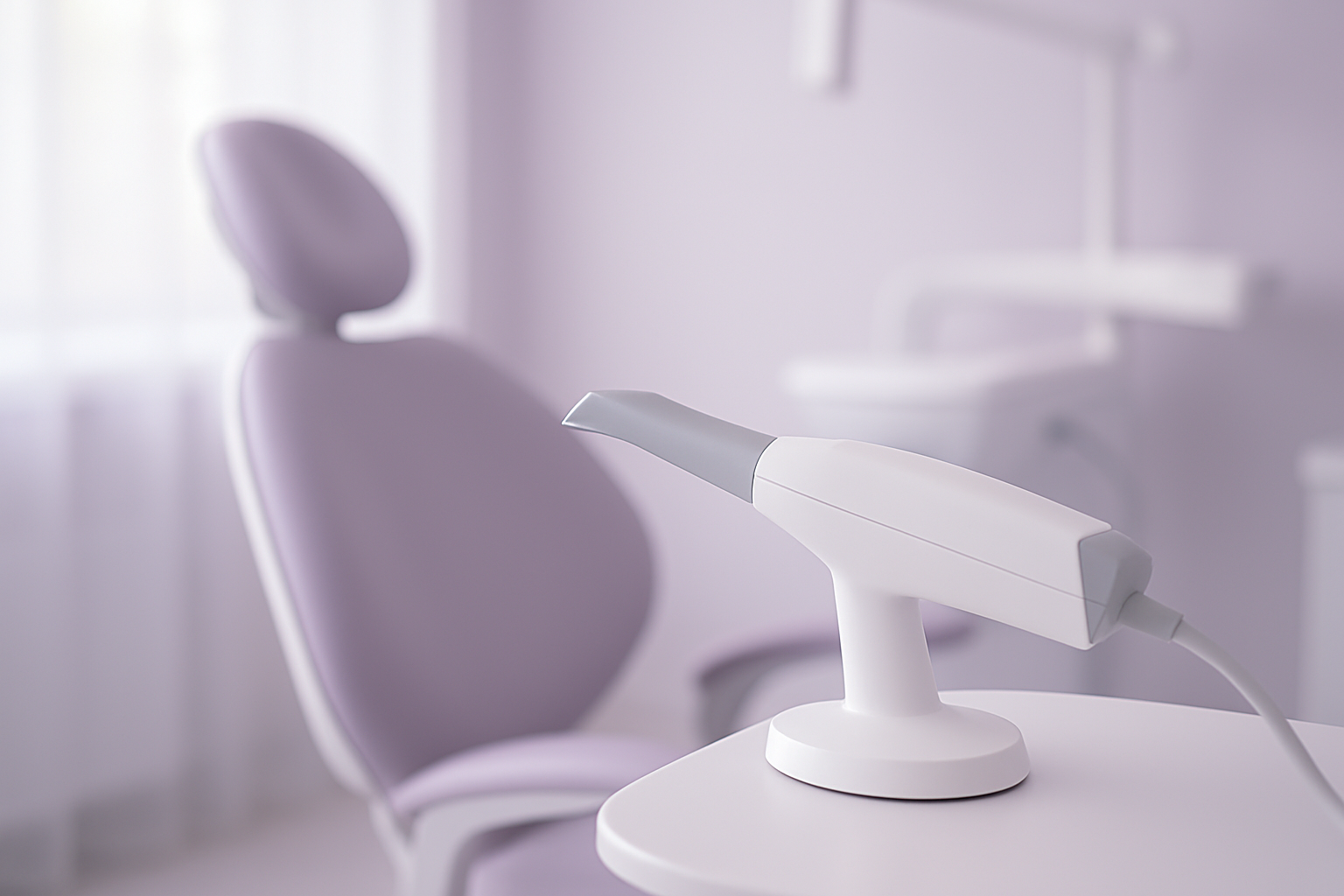
- An intraoral scanner (or a reliable impression workflow) to capture accurate records.
- Good clinical photography for diagnosis and monitoring.
- Standard tools for attachment placement and finishing.
3. Sound case selection
Knowing which cases to accept — and which to refer — is the most valuable skill a new aligner dentist can have. Start with mild to moderate crowding and spacing, and build toward more complex cases as your confidence grows.
4. A reliable aligner partner
A dependable provider handles manufacturing and supports your treatment planning, so you can focus on clinical decisions. Their responsiveness matters most exactly when a case becomes challenging.
5. A clear patient-communication process
Patients must understand wear time, the number of trays, likely duration, and the need for retainers. Setting these expectations up front prevents the majority of mid-treatment frustrations.
With training, equipment, case-selection judgement, and a solid partner in place, you are ready to deliver aligner treatment predictably from your very first case.