If you have been researching ways to straighten your teeth, you have almost certainly come across clear aligners. But what exactly are they, and how do they compare to traditional braces? This beginner’s guide breaks it down in plain language.
What exactly are clear aligners?
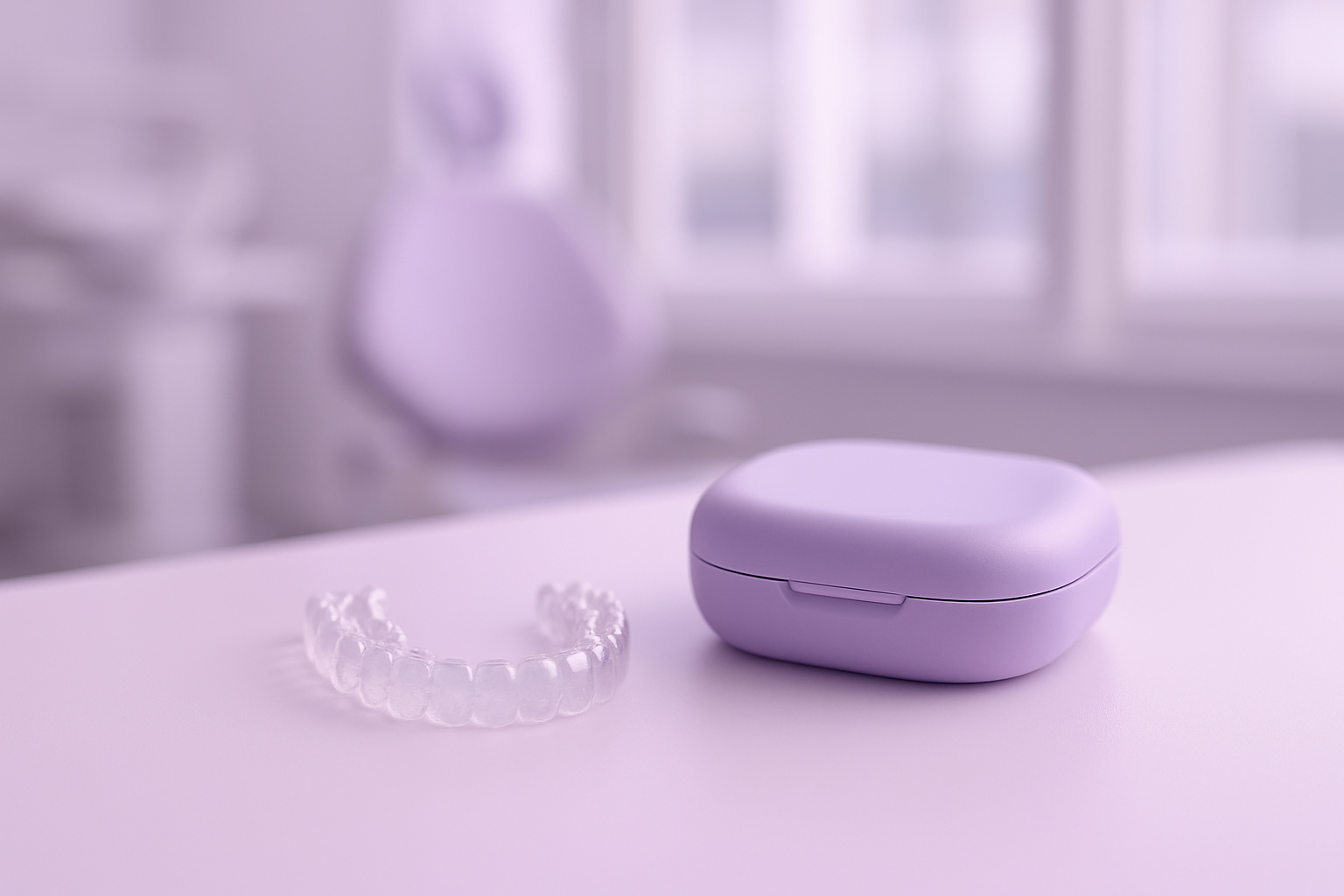
Clear aligners are a series of custom-made, transparent trays that fit snugly over your teeth. Each tray is slightly different from the last, and together they move your teeth into a straighter position in small, controlled steps. You wear each set for one to two weeks, then move on to the next.
How they differ from braces
Braces use fixed brackets and wires to pull teeth into place. Clear aligners do the same job with removable plastic trays instead. The two biggest practical differences are that aligners are nearly invisible and removable — you take them out to eat and to brush.
What can clear aligners treat?
- Crowded teeth
- Gaps and spacing
- Mild to moderate bite issues
- Teeth that have shifted after previous orthodontic work
A dentist assesses your case to confirm aligners are the right tool for your particular smile.
The treatment process at a glance
- A consultation and a digital scan or impression of your teeth.
- A custom treatment plan that maps every movement from start to finish.
- Your series of aligners, worn in order, about 20–22 hours a day.
- Periodic check-ins with your dentist to track progress.
- Retainers at the end to hold your new smile in place.
Who is a good candidate?
Most teens and adults with healthy teeth and gums are suitable. The single most important factor is commitment: aligners only work if you wear them consistently. If you are disciplined about wear time, they are one of the most convenient ways to straighten teeth available today.